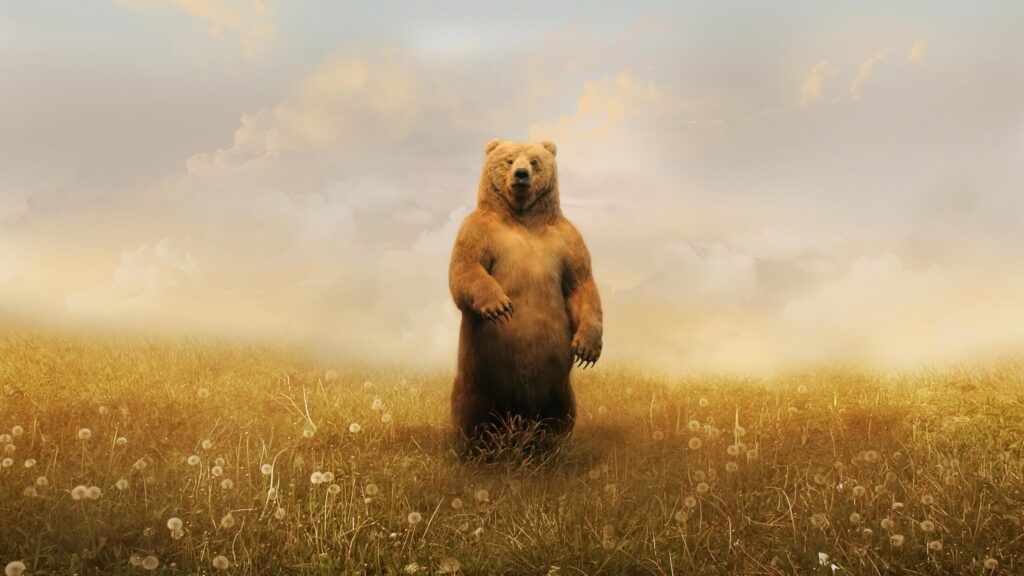
Fuzzy Wuzzy was a bear, Fuzzy Wuzzy had no hair.
Fuzzy Wuzzy wasn’t very fuzzy, Was he?
Some surprising facts about the origins and different uses of “Fuzzy Wuzzy”:
- It Was Originally a Nickname for Warriors: The phrase originated during the 19th-century Mahdist War. British colonial soldiers used it to describe the Hadendoa Beja warriors. The name was given because of the warriors’ elaborate, teased hairstyles (often called “tiffa”), which gave them a bushy, textured appearance.
- Kipling Immortalized the Term: Famous author Rudyard Kipling wrote a poem titled “Fuzzy-Wuzzy” in 1892. Written in the voice of a British soldier, the poem was intended as a tribute to the bravery and formidable combat tactics of the Hadendoa fighters.
- World War II Heroes: During World War II, Australian soldiers affectionately nicknamed the native Papua New Guinean stretcher-bearers “Fuzzy Wuzzy Angels”. The name was given due to their fuzzy hair and the immense courage and compassion they showed while carrying wounded Allied troops through treacherous jungles.
- The Infamous Tongue Twister: The nursery rhyme is structured as a paradox. It has been used for generations to help English learners practice their pronunciation and vocal fluency.
- Woolly Bear Caterpillars: The nickname “fuzzy wuzzy” is also frequently used to describe banded woolly bear caterpillars (which are neither bears nor worms). Folklore suggests that the amount of brown banding on their fuzzy bodies can be used to predict the severity of the upcoming winter.
- A Mathematical Theory: There is even a military combat concept known as the “Fuzzy Wuzzy Fallacy” (more formally known as Lanchester’s Square Law). It is a mathematical formula stating that the fighting strength of a military unit is proportional to the square of the number of its soldiers, rather than just their raw numbers.